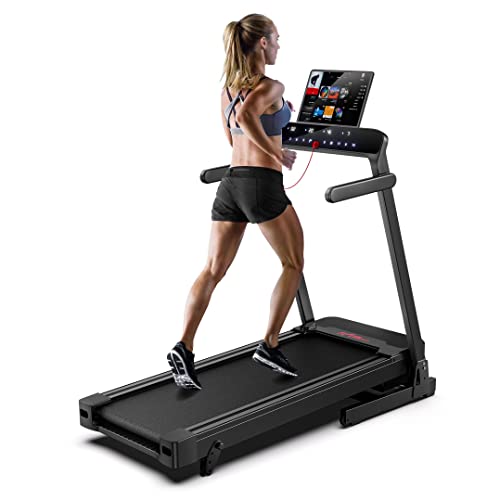
The Comprehensive Guide to Home Treadmills: Everything You Need to Know
With an increasing concentrate on physical fitness and wellness in today's fast-paced world, home treadmills have actually emerged as a popular choice for those seeking to infuse routine workout into their routines. Whether for visual enhancement, benefit, or fitness tracking, treadmills use a versatile option for many physical fitness lovers.
This short article explores various aspects of home treadmills, offering insights into their features, benefits, and vital factors to consider for potential purchasers. It also deals with common questions and misconceptions about these exercise machines.
Table of Contents
- What is a Home Treadmill?
- Advantages of Having a Home Treadmill
- Kinds Of Home Treadmills
- Key Features to Consider
- Upkeep Tips for Your Treadmill
- FAQs about Home Treadmills
- Conclusion
What is a Home Treadmill?
A home treadmill is a fitness device created for running or walking while remaining in one place. Unlike conventional running outside, it permits people to exercise in the convenience of their homes. Treadmills can be powered by electricity or can be manual, needing the user to propel the belt with their own effort.
Benefits of Having a Home Treadmill
The advantages of owning a home treadmill are various. Below are some key benefits:
- Convenience: Users can work out at any time, preventing weather restrictions or gym schedules.
- Time Management: Reduced travel time to and from a gym, permitting quicker exercises.
- Personal privacy: The convenience of working out in a personal environment, suitable for those who feel awkward in public settings.
- Flexibility: Adjustable speeds and inclines deal differed workout options, accommodating different physical fitness levels.
- Combination with Technology: Many contemporary treadmills come geared up with fitness apps and tracking systems that monitor development.
Types of Home Treadmills
Home treadmills can be categorized into a number of types, each serving different needs and choices:
| Type | Description |
|---|---|
| Motorized Treadmills | Electric motors that enable users to adjust speed and incline with push-button controls. |
| Handbook Treadmills | Needs physical effort to move the belt, typically more compact and portable. |
| Folding Treadmills | Space-saving designs that can be folded when not in use. |
| Treadmill Desks | Permit users to walk while working, integrating physical fitness into their day-to-day jobs. |
Picking the Right Treadmill
Consider these factors when choosing the proper kind of treadmill for personal usage:
- Space Requirements: Ensure the treadmill fits conveniently in your designated workout location.
- Seek advice from Reviews: Look at user feedback and expert evaluations to understand performance and dependability.
- Spending plan: Set a clear budget, as prices can differ commonly.
- Usage Frequency: Assess how frequently the treadmill will be utilized to figure out toughness and functions required.
Key Features to Consider
When shopping for a home treadmill, it's essential to evaluate particular functions that improve the workout experience. Particular functions to prioritize consist of:
- Motor Power: Look for a motor with at least 2.0 CHP for reliable performance.
- Running Surface: A larger running surface is more effective, particularly for those who want to sprint or take longer strides.
- Slope Options: Adjustable slopes increase exercise strength and help engage different muscle groups.
- Cushioning System: Good shock absorption can significantly reduce the influence on joints and prevent injuries.
- Technology Integration: Built-in heart rate displays, Bluetooth connectivity, and incorporated workout programs can improve your physical fitness journey.
Maintenance Tips for Your Treadmill
A well-kept treadmill can last for years. Regular upkeep is vital to guaranteeing optimum efficiency. Think about these upkeep pointers:
- Keep It Clean: Wipe down the surface frequently to remove dust and sweat.
- Lubricate the Belt: Apply silicone lubricant according to manufacturer guidelines to reduce friction.
- Look for Wear and Tear: Regularly check the belt and deck for signs of damage or extreme wear.
- Inspect the Motor: Clean dust from the motor area and make sure proper ventilation to avoid overheating.
- Follow User Manual: Always refer to the user handbook for particular upkeep instructions related to the design.
FAQs about Home Treadmills
1. Are home treadmills effective for weight-loss?
Yes, home treadmills can be very efficient for weight loss if utilized consistently as part of a balanced diet plan and fitness programs.
2. Just how much area do I require for a treadmill?
While it differs by model, a typical home treadmill will require at least 6.5 feet in length and 3 feet in width.
3. Do Portable Running Machine need special shoes to utilize a treadmill?
While special shoes aren't required, investing in excellent quality running shoes can help prevent injuries and improve comfort.
4. Can I see TV or listen to music while utilizing a treadmill?
Absolutely! A lot of modern treadmills have functions that enable users to watch television or listen to music through built-in speakers or through Bluetooth connections.
5. The length of time should I use a treadmill every day?
For optimal health advantages, go for a minimum of thirty minutes of moderate-intensity workout on the treadmill most days of the week.
Owning a home treadmill opens the door to convenient and versatile exercises appropriate for people of all skill levels. Understanding the various types, important features, and proper maintenance can assist ensure that your financial investment remains reliable and satisfying. As fitness ends up being a concern for numerous, home treadmills present an excellent chance for individual health and health, making it easier than ever to integrate workout into day-to-day life.
With the best resources and assistance, a home treadmill can end up being a vital part of one's fitness journey, assisting people accomplish their goals in a sustainable manner.